Heritage queried
The controversy surrounding the Delhi Gymkhana Club is no longer only about one institution in Lutyens’ Delhi.
In a major step toward the global integration of traditional healthcare, the WHO organised the two-day Technical Project Meeting on Traditional Medicine (TM) intervention code set development here on December 20–21.




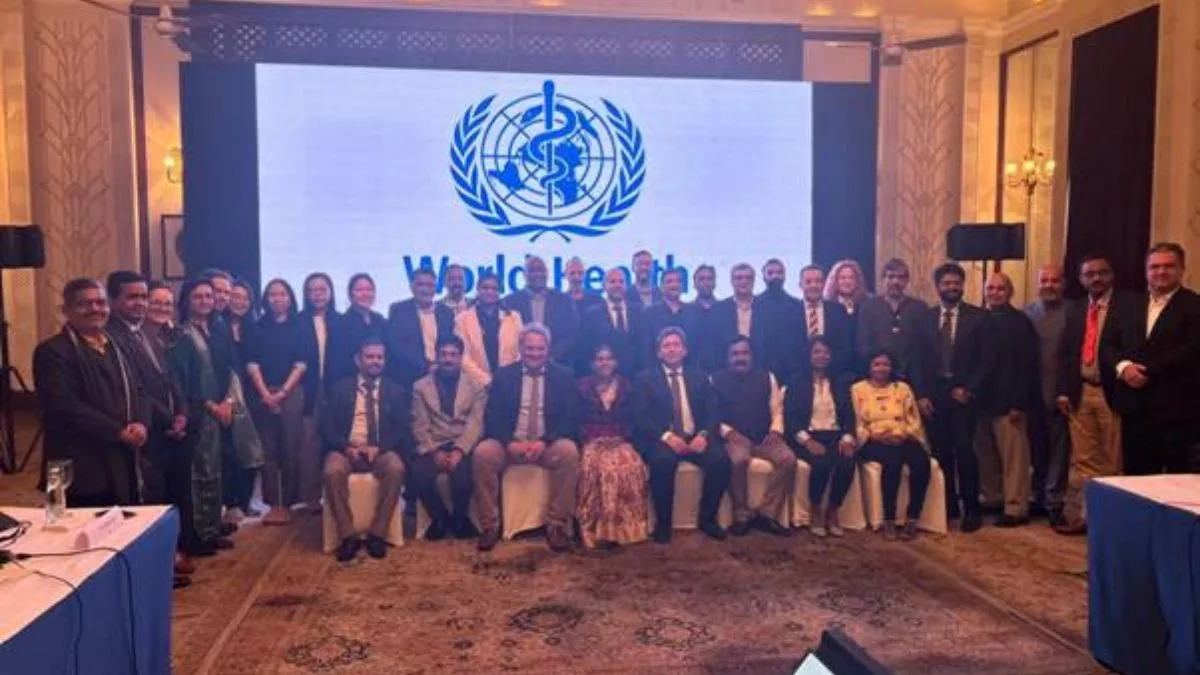
Photo: X/@PIB_India
The World Health Organization (WHO) and the AYUSH ministry held a key technical meeting in the national capital to integrate Ayush Systems into Global Health Intervention Standards.
In a major step toward the global integration of traditional healthcare, the WHO organised the two-day Technical Project Meeting on Traditional Medicine (TM) intervention code set development here on December 20–21.
Advertisement
This initiative was fundamentally driven by the landmark Memorandum of Understanding (MoU) and Donor Agreement signed between the Ministry of Ayush and WHO on May 24, the ministry said on Monday.
Advertisement
This agreement serves as the cornerstone for developing a dedicated Traditional Medicine module within the International Classification of Health Interventions (ICHI), the international global standard for classifying healthcare interventions, with India facilitating both the financial and technical frameworks necessary to bring Ayurveda, Siddha, and Unani (ASU) systems into the global healthcare mainstream.
The facilitation of this meeting aligns with the vision of Prime Minister Narendra Modi, who has emphasized that such initiatives help Ayush systems reach a maximum number of people globally in a scientific manner.
During his Mann Ki Baat address, the Prime Minister noted that this standardised framework would enable Ayush systems to achieve global recognition and scientific credibility.
Vaidya Rajesh Kotecha, Secretary, Ministry of Ayush, had previously observed that a dedicated ICHI module would facilitate global recognition of Ayush systems and support WHO’s efforts for inclusive, safe, and evidence-based healthcare.
The technical sessions were chaired by Kavita Garg, Joint Secretary, Ministry of Ayush, who led the Indian team in the development of National Health Intervention Codes for Ayurveda, Siddha, and Unani medicine.
Advertisement